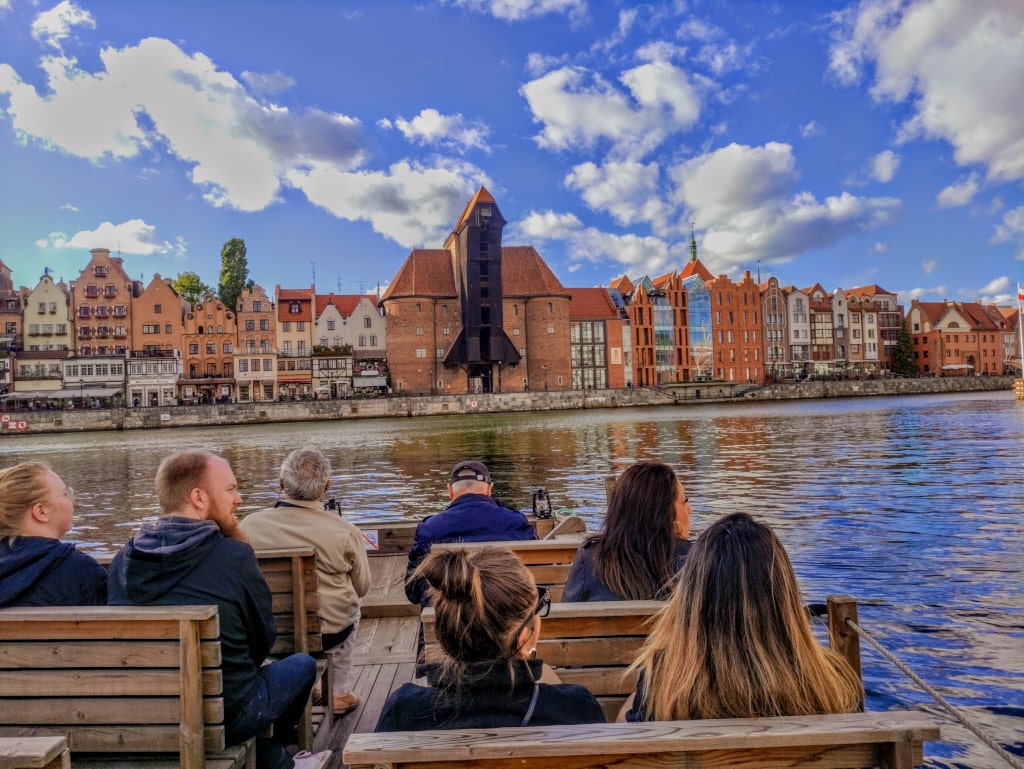
Zamek Krzyżacki, Królewska Szkoła Nawigacyjna, Motława
"Ship of the Church" ca.1500

Teutonic Castle and Royal Navigation School

Teutonic Castle in Gdansk

Teutonic Castle – The Teutonic Castle of Gdansk was ordered by monastic knights to be built on the site of a former Piast princely castle. At that time, in the 1630s, the Radunia Canal (over which the Limestone Bridge now spans), dividing the extramural area and Wiadrownia, did not yet exist. Both the former princely stronghold and the Teutonic castle, however, did not last long – the latter was demolished, brick by brick, by the Danzigers themselves, only about 100 years after its completion. Well, the people of Danzig had no reason to like the Teutonic Knights. The only surviving part of the castle is a fragment of the wall on the Motlawa River. The Swan Tower, which is sometimes considered a remnant of the castle, has a slightly more complicated history. It was built on the site of the Teutonic Fisherman’s Tower, which shared the castle’s fate, but was rebuilt shortly thereafter in a similar form to the original, albeit with a change in the direction in which the windows faced. In addition, the tower was raised by one story in the 16th century.

Zabytkowy targ rybny w Gdańsku z historyczną wieżą, łodziami i ludźmi na nabrzeżu.
Swan Tower 1902

Royal Navigation School

Near the Limestone Bridge, on Karpia Street, from 1826 until the 1920s there was the Royal Navigation School – the first college in Gdansk to train future sailors. The school was established as early as 1817, but at that time it did not yet have permanent premises. In addition to strictly navigational skills, the school also taught geography, mathematics, drawing, foreign languages and operation of ship equipment. Theoretical classes were also accompanied by maritime practice. The school was equipped with sailing ships, which initially sailed on the Baltic, but by the 1840s further voyages were also made – to the Mediterranean and even across the Atlantic to New York. A dormitory for out-of-town students functioned alongside the school, and a fee was charged for tuition. After a year of training, students passed the exam to become helmsmen, and after two years they were certified as skippers. After World War I, the academy – now called the School of Navigation – was moved to the former barracks. It operated there until 1945. The building on Karpia Street, like all the buildings in the area, was destroyed during World War II.

Historyczna pocztówka przedstawiająca parowiec przy nabrzeżu w Elblągu
Royal Navigation School 1903

Buy tickets

Available forms of payment:

Logotypy dostępnych metod płatności: BLIK, Przelewy24, Visa, PayPal, Google Pay, Apple Pay i Mastercard.

Select the number of tickets and then the date.

See other cruises

Widok z łodzi na Żuraw nad Motławą w Gdańsku

Galar cruise in Gdansk

Unforgettable, atmospheric cruises on the Motlawa River aboard a 12-person replica of a vintage Polish Galar boat.
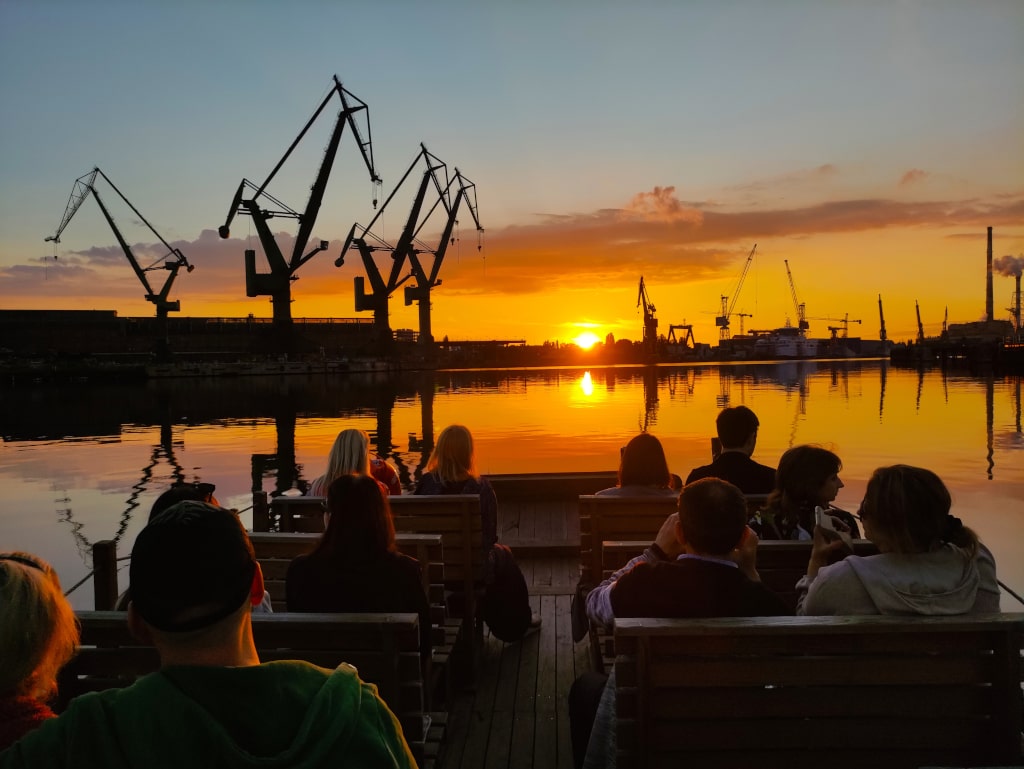
Ludzie na łodzi podziwiają zachód słońca nad stocznią w Gdańsku

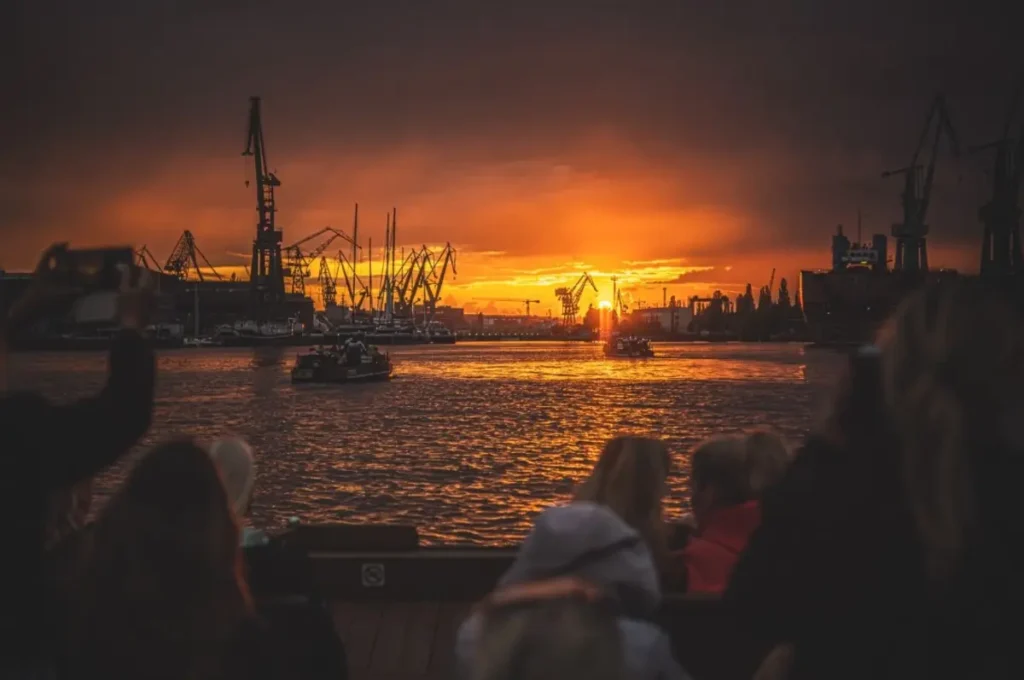
Sunset Cruise

Take an enchanting cruise around Gdansk during a dazzling sunset and discover a whole new face of sightseeing.
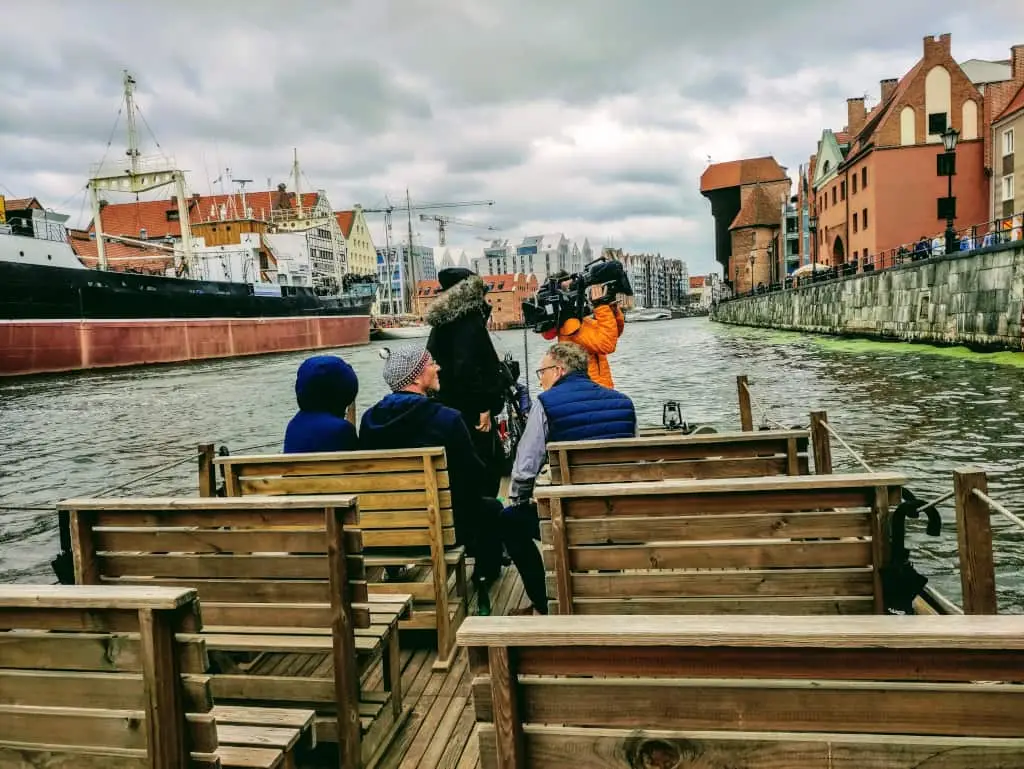
Ekipa filmowa kręci ujęcia na łodzi płynącej rzeką Motławą w Gdańsku przy zabytkowym Żurawiu

Private cruise

Rent an intimate, 12-person replica of a historic Polish Galar boat and take your friends, on a unique cruise along the route of your choice.
[brb_collection id="2592"]
Herb miasta Gdańska w formie litery G z koroną i krzyżami

Galar Gdanski

Out of passion for water and tradition

NEW

Herb miasta Gdańska w formie litery G z koroną i krzyżami

Galar Gdanski

Out of passion for water and tradition

NEW

logo galar gdański
Privacy Overview

This website uses cookies so that we can provide you with the best user experience possible. Cookie information is stored in your browser and performs functions such as recognising you when you return to our website and helping our team to understand which sections of the website you find most interesting and useful.